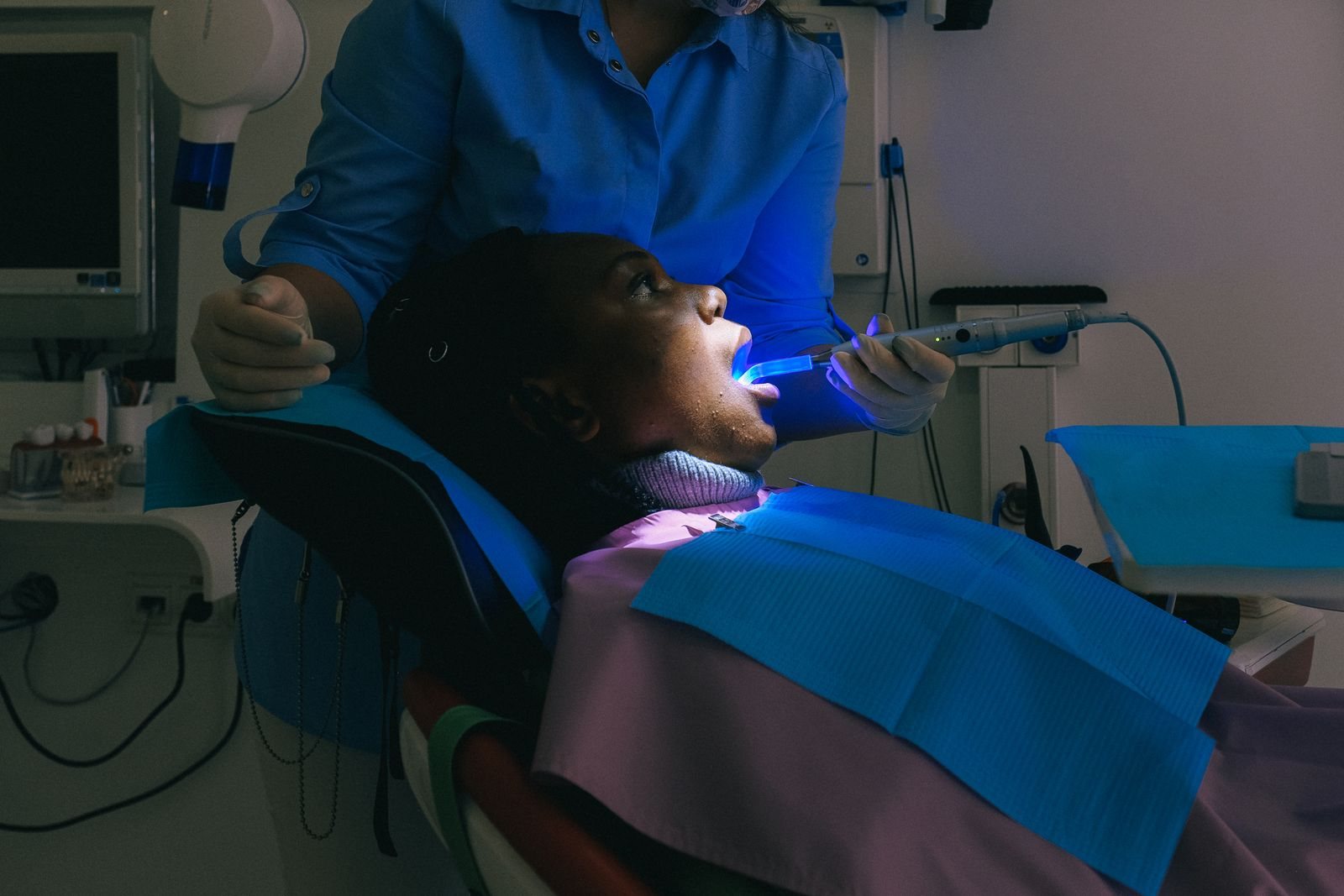
Picture a Tuesday morning at a busy practice in Bengaluru. The day was fully booked three weeks ago. By 10 a.m., two patients have not arrived, one rescheduled by phone last night, and a root canal slot is now sitting empty. The dentist is ready, the assistant is ready, the chair is sterilised, and nobody is in it. That silent gap is one of the most expensive problems in Indian dentistry, and it repeats itself in clinics from Mumbai to Chennai every single week.
If you want to reduce dental no-shows in India, the good news is that this is a solvable, systems problem, not a luck problem. The right dental clinic software turns a chaotic appointment book into a predictable, self-confirming schedule that keeps chairs full and patients coming back.
Why No-Shows Hurt Indian Clinics More Than You Think
Indian dental clinics run on volume and value. Margins per patient are often thin because of intense price competition, and most patients are cash-pay, paying through UPI, cards, or cash, with EMI options for larger treatments. In that model, an empty chair is not a minor inconvenience. It is lost revenue that you can never recover, because time is the one thing a clinic cannot restock.
Consider what a single missed appointment actually costs:
- The treatment revenue you planned for that slot, in INR you will not collect.
- Staff salaries and clinic rent that keep running whether or not the patient shows.
- The opportunity cost of a patient on your waitlist who could have taken that slot.
- The follow-up treatment that no-show patient now delays or abandons entirely.
For multi-branch and corporate chains expanding across cities like Hyderabad, Pune, and Ahmedabad, the problem multiplies. Every branch that runs on memory and paper diaries leaks revenue in its own way, and head office has no clear view of where.
No-Shows Are a Retention Problem in Disguise
It is tempting to treat a no-show as a one-off. In reality, a patient who misses an appointment and never gets a reminder usually does not reschedule. They simply drift away, often to the clinic next door that texted them.
That is why reducing no-shows and improving retention are the same project. Every patient you keep raises your patient lifetime value, the total revenue a patient brings across years of cleanings, fillings, implants, and family referrals. In a market where acquiring a new patient through ads or discounts is costly, keeping an existing one is far cheaper and far more profitable.
Dental software shifts your clinic from chasing new patients to keeping the ones you already earned.
How Dental Software Actually Reduces No-Shows
A modern dental clinic software does not just store appointments. It actively works to make sure each one happens. Here is where DentalKing's modules do the heavy lifting.
Automated SMS Reminders and Confirmations
The single highest-impact change you can make this month is automated reminders. DentalKing's SMS communication module sends appointment reminders and confirmations without anyone at the front desk lifting a finger.
Because SMS and WhatsApp-style messaging are how Indian patients actually communicate, reminders land where people already look. You can send them in English or a regional language so an elderly patient in Jaipur understands the message as clearly as a software professional in Pune. A reminder a day before and a short confirmation on the morning of the appointment dramatically cuts the "I forgot" no-shows that make up the bulk of empty chairs.
Centralised Scheduling That Prevents Double-Booking
Phone bookings, walk-ins, and WhatsApp requests often collide in a paper diary. Two patients get the same slot, one is turned away, and trust erodes.
DentalKing's centralised scheduling gives every branch a single, shared view of the chair calendar. Receptionists at different desks, or even different branches in a chain, book against the same live schedule. No double-booking, no awkward "please wait, the dentist is running late," and no patient leaving annoyed enough to skip their next visit.
Recall and Recare Reminders for Lapsed Patients
The patients who quietly disappear after a single cleaning are pure lost revenue. DentalKing's reminder workflows, combined with the Patient module, let you systematically reach out for six-month recalls, pending treatment plans, and overdue check-ups.
When the Treatment Planning module shows a patient agreed to a crown but never returned for it, that is a clear, high-value follow-up. A simple recall message brings back patients you have already paid to acquire.
Filling Empty Slots from a Waitlist
When a cancellation does happen, speed decides whether the slot earns money. With a clear schedule view and SMS communication, your front desk can immediately offer the open slot to a waiting patient instead of letting it vanish. In high-demand cities and in clinics serving dental tourism, this turns a cancellation into revenue rather than loss.
Post-Treatment Follow-Up That Builds Loyalty
A short message after a procedure to check on a patient does two things. It catches problems early, and it makes the patient feel cared for. That goodwill is what turns a one-time visitor into a loyal patient who returns and refers family. DentalKing's SMS module and Referral module work together here, letting you nurture satisfied patients and track who is sending you new ones.
Seeing the Whole Picture with Reporting
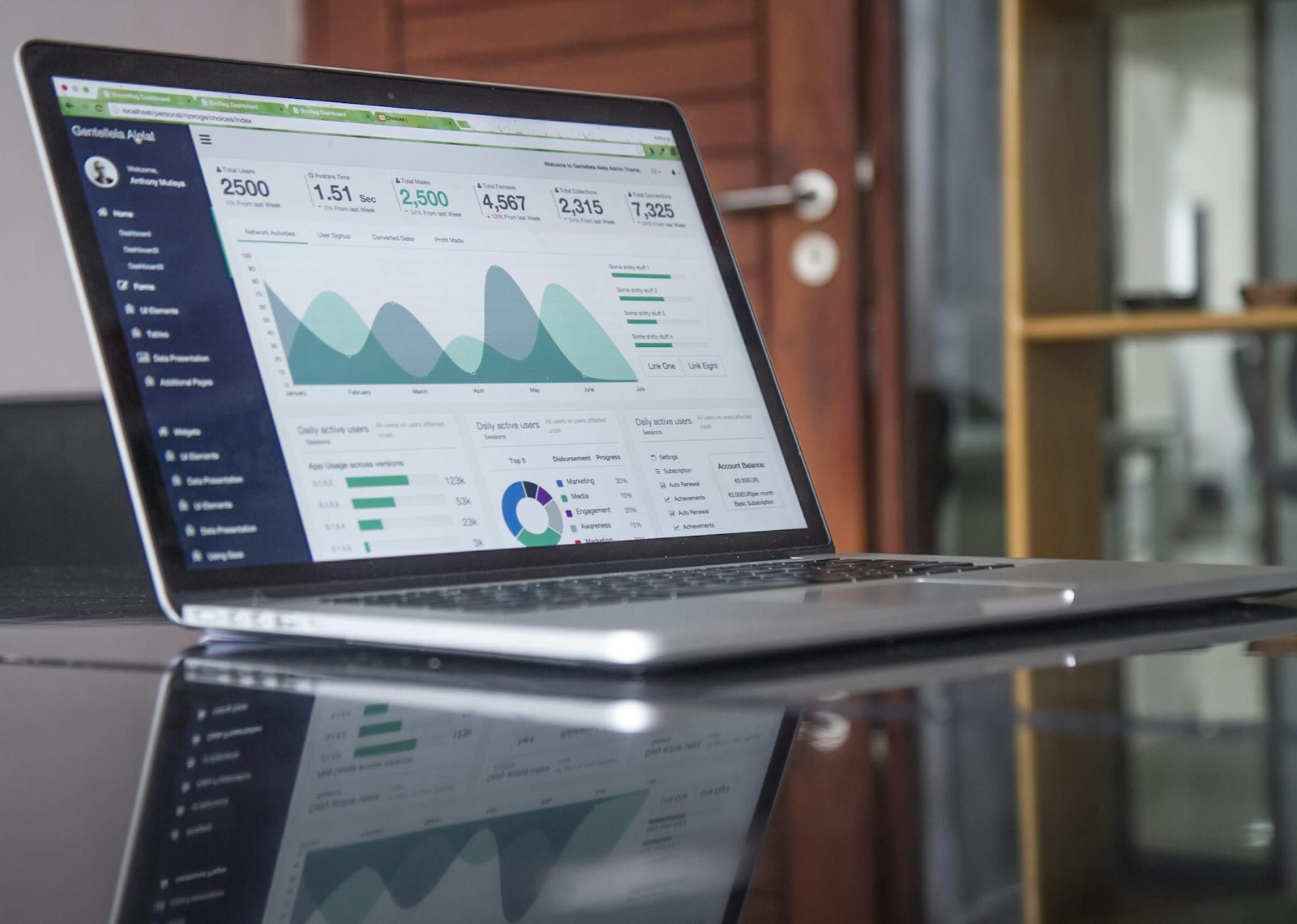
You cannot fix what you cannot measure. DentalKing's Reporting and Analytics module, alongside the Financial module, shows you patterns that are invisible in a paper diary:
- Which days and time slots have the highest no-show rates.
- Which patients repeatedly miss appointments.
- How much potential revenue, in INR, is tied up in lapsed treatment plans.
- Whether reminders are improving your show-up rate over time.
For a chain operator, these reports compare branches side by side, so the head of operations in Delhi can see exactly which location needs attention. Note that DentalKing is fully cloud-based, so these dashboards and your schedule are available wherever you have a reliable internet connection. Treat a stable connection, ideally with mobile-data backup at the front desk, as a normal part of running the clinic.
A Practical Playbook to Cut No-Shows This Month
You do not need a six-month project. Here is a focused plan using tools DentalKing already gives you.
Week 1: Turn On Automated Reminders
Activate SMS reminders for every booked appointment. Set one reminder 24 hours before and a confirmation on the morning of the visit. Write messages in both English and your local regional language.
Week 2: Centralise Your Schedule
Move every booking, including phone and WhatsApp requests, into DentalKing's scheduling so the whole team works from one live calendar. Use Roles and Permissions so the right staff can book and edit, while sensitive financial data stays restricted.
Week 3: Launch a Recall Sweep
Use the Patient module to pull a list of patients overdue for a recall or with unfinished treatment plans. Send a friendly recall message inviting them back. This single sweep often refills a surprising number of slots.
Week 4: Measure and Adjust
Open the Reporting and Analytics module. Compare this month's no-show rate to before. Identify your worst slots and your repeat no-show patients, and add a confirmation call for high-value treatments like implants or full-mouth work.
Repeat this loop, and a fuller appointment book becomes your clinic's normal state rather than a lucky day.
Frequently Asked Questions
How quickly can dental software reduce no-shows?
Most clinics see fewer "I forgot" no-shows within the first few weeks of switching on automated SMS reminders, because the majority of missed appointments come from simple forgetfulness rather than deliberate cancellation.
Can DentalKing send reminders in regional languages?
Yes. The SMS communication module lets you send reminders and confirmations in English and regional languages, which matters for the diverse patient base in cities like Chennai, Kolkata, and Hyderabad.
Does this work for a multi-branch dental chain?
It does. Centralised scheduling gives every branch one shared calendar, and the Reporting and Analytics module compares no-show rates and revenue across locations, which is ideal for growing corporate and chain practices.
Is DentalKing cloud-based or installed on one computer?
DentalKing is fully cloud-based and web-based, so your schedule, patient records, and reports are accessible from any branch with a reliable internet connection. A stable connection with mobile-data backup at the front desk is recommended.
How does reducing no-shows improve patient retention?
Every reminder and recall keeps a patient engaged instead of drifting to another clinic. That raises patient lifetime value, since a retained patient returns for years of treatments and refers family and friends.
What does DentalKing cost?
Dental clinic software is typically offered on pricing models such as subscription or per-branch plans, often with onboarding and support included. The right plan depends on your clinic size and number of branches, so it is best to discuss your needs directly.
Conclusion
Empty chairs are not bad luck. They are a sign that your reminders, scheduling, and follow-up are still running on memory and paper. To genuinely reduce dental no-shows in India, you need a dental clinic software that confirms appointments automatically, prevents double-booking, brings back lapsed patients, and shows you exactly where revenue is leaking.
DentalKing brings all of that together in one cloud-based platform built for the way Indian clinics actually work, from high patient volumes to UPI payments and bilingual SMS reminders. Start the four-week playbook above, watch your show-up rate climb, and turn retention into your most reliable source of growth.
Ready to keep your chairs full? Try DentalKing or book a demo today and see how much revenue your clinic can recover this month.