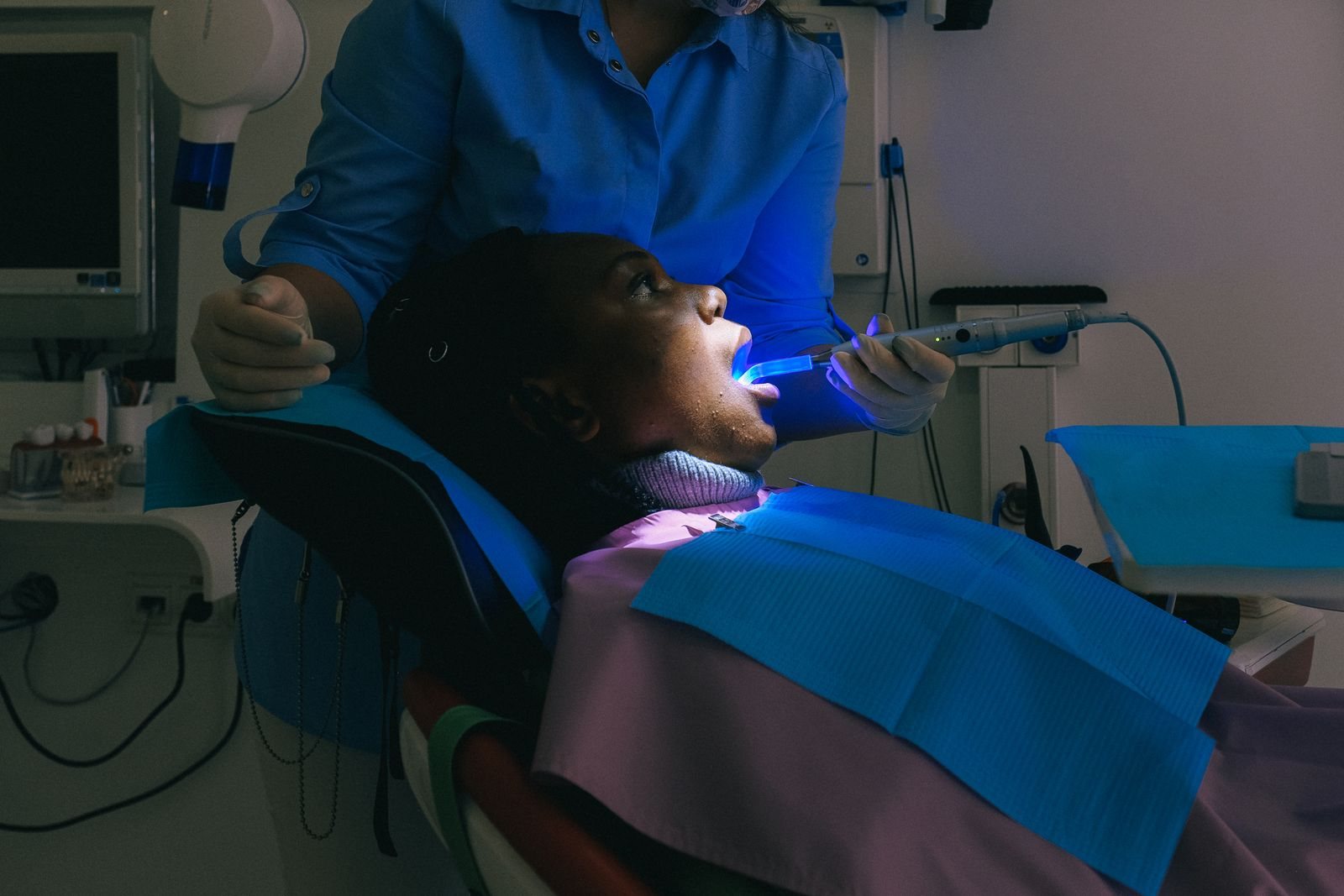
Picture a Tuesday morning at a busy clinic in Lekki. Three crown fittings and a root canal were booked for the day. By noon, two of those patients have not shown up and have not called. The chair sits empty, the dentist is idle, and a full day of revenue quietly shrinks. If this sounds familiar, you are not alone, and learning how to reduce dental no-shows in Nigeria is one of the fastest ways to protect your bottom line.
Missed appointments are one of the most underestimated leaks in a Nigerian dental practice. The right dental clinic software turns that leak into a system you can actually control.
Why No-Shows Quietly Drain Nigerian Clinics
An empty chair is not a small inconvenience. It is lost income that you can never recover, because time, unlike materials, cannot be restocked.
Think about the real cost. A no-show for a scaling and polishing might cost you a modest fee in Naira. But a missed implant consult, a cancelled crown delivery, or an abandoned root canal series represents tens or even hundreds of thousands of Naira in delayed or lost treatment value.
The damage compounds in ways that are easy to miss:
- Idle staff. Your dentist, hygienist, and assistant are still being paid whether the chair is full or empty.
- Blocked slots. A patient who would have happily taken that 10 a.m. slot was turned away because it "looked booked."
- Disrupted treatment plans. A patient who skips one visit often skips the next, and the case stalls halfway.
- Lost lifetime value. A patient who drifts away is not just one missed visit. It is years of recalls, family referrals, and future treatment that walk out the door.
In Nigeria, several local realities make no-shows worse. Traffic in Lagos and Abuja is unpredictable. Many patients rely on a family member or sponsor to pay, so the appointment depends on someone else's schedule. And without a reminder, a check-up booked six months ago is simply forgotten.
The Foundation: Centralized, Conflict-Free Scheduling
You cannot reduce no-shows if you do not trust your own schedule first. Paper diaries and scattered notebooks lead to double-booking, missed slots, and confusion between branches.
DentalKing's scheduling lives in one cloud-based system. Your front desk in Port Harcourt and your second branch in Ibadan look at the same live calendar, so two people can never book the same chair at the same time.
Because DentalKing is web-based, anyone you authorize can view the day's schedule from the reception desk, the consulting room, or the manager's office. A reliable internet connection is part of the setup, so a fibre line with a mobile-data backup keeps your front desk running smoothly through the day.
When scheduling is centralized and accurate, every other anti-no-show tactic becomes possible.
Automated SMS and WhatsApp-Era Reminders
Nigerians live on their phones. SMS reaches every handset, even basic ones, and a quick reminder fits naturally into a communication culture built on texts and messages.
This is where DentalKing's SMS communication module does its heaviest lifting. Instead of your receptionist manually calling forty patients a day, the system sends reminders automatically.
A practical reminder rhythm looks like this:
- At booking: an instant confirmation with the date, time, and clinic location.
- Two or three days before: a reminder that gives the patient time to rearrange their day or arrange transport money.
- The morning of: a final nudge so the appointment is top of mind.
These automated reminders alone can dramatically reduce dental no-shows in Nigeria, because most missed appointments are not deliberate. They are simply forgotten.
The reminders also free your front desk. A receptionist who is not glued to the phone all morning can actually welcome the patients who do walk in.
Recall and Recare: Bringing Lapsed Patients Back
No-show prevention is not only about tomorrow's appointments. It is about the patient who came once in January and was never heard from again.
Every dental practice has a long tail of patients who are overdue for a six-month check-up, a scaling, or a review after treatment. Left alone, they slowly forget your clinic exists.
DentalKing lets you set recall and recare reminders so these patients are pulled back automatically. A friendly SMS that says it is time for a routine check-up turns a dormant patient into a booked chair. This is one of the highest-return activities a Nigerian clinic can run, because reactivating an existing patient costs almost nothing compared to winning a brand new one.
Follow-Up After Treatment Keeps Patients in the Chair
The riskiest moment in any treatment plan is the gap between visits. A patient who finishes the first stage of a root canal in Kano and feels no pain may quietly decide they are "fine" and skip the rest.
With the Treatment Planning module, you can see exactly who has an incomplete plan and which step comes next. Combined with SMS follow-ups, your team can reach out to patients who have stalled mid-treatment and book them in before the case is abandoned.
A short post-treatment message also does something powerful for retention. It tells the patient you remember them and care about how they are healing. That goodwill is what turns a one-time visitor into a loyal patient who refers their whole family.
Fill the Gaps: Waitlists and Smart Rescheduling
Even with great reminders, some cancellations are unavoidable. The goal then is to fill the gap fast rather than lose the day.
Keep a short waitlist of patients who said they wanted an earlier slot. When a 2 p.m. cancellation comes in, your front desk can check the centralized schedule, find a waitlisted patient, and send an SMS offering the open time. An empty chair becomes a treated patient within the hour.
Smart rescheduling matters too. When a patient does need to move an appointment, doing it inside the system, instead of on a sticky note, means the reminder cycle simply restarts for the new date. Nothing falls through the cracks.
Measure What Matters: Reporting and Analytics
You cannot fix what you cannot see. Many Nigerian clinic owners feel that no-shows are a problem but have no numbers to prove it or track improvement.
DentalKing's Reporting and Analytics module turns scheduling into insight. You can begin to see patterns such as:
- Which days or times produce the most no-shows.
- Which patients repeatedly miss appointments and may need a deposit policy.
- How many lapsed patients your recall messages brought back.
- The Naira value tied up in incomplete treatment plans.
When you tie this to the Financial module, the picture becomes complete. You can see how collections improve as your chair stays full, and which retention efforts actually move revenue.
A Practical No-Show Playbook You Can Start This Month
You do not need a six-month project to see results. Here is a sequence any Nigerian clinic can put in place quickly with dental clinic software:
- Move every appointment into one centralized calendar. Stop the double-booking and lost slots immediately.
- Switch on automated SMS confirmations and reminders. Set the booking, two-days-before, and same-morning messages.
- Run a recall sweep. Identify everyone overdue for six months and send a recare reminder this week.
- Flag incomplete treatment plans. Have your team follow up with anyone who stalled mid-case.
- Build a simple waitlist. Note which patients want earlier slots so cancellations get filled.
- Review your no-show report monthly. Adjust deposits, reminder timing, or scheduling based on the data.
Each step is small. Together they reshape how full your chairs stay.
Frequently Asked Questions
How does dental software actually reduce no-shows?
It automates appointment confirmations and reminders by SMS, brings back lapsed patients through recall messages, prevents double-booking with a centralized schedule, and shows you no-show patterns in reports so you can act on them.
Does DentalKing work without internet?
No. DentalKing is a cloud-based, web-based platform that needs an internet connection to run. A practical setup is a reliable fibre line with mobile-data backup so your front desk and reminders keep working through the day.
Can DentalKing send reminders to patients automatically?
Yes. The SMS communication module sends automated booking confirmations, appointment reminders, and recall or recare messages, so your receptionist no longer has to call every patient by hand.
How do reminders help with patients whose treatment is paid by a sponsor or family member?
Early reminders give patients time to arrange transport and confirm payment with whoever is funding the treatment, which reduces last-minute cancellations tied to money and logistics.
Will this help my clinic if I have more than one branch?
Yes. Because DentalKing is cloud-based, every branch shares one live schedule and patient record, so reminders, recalls, and reporting work consistently across Lagos, Abuja, Enugu, or anywhere you operate.
How quickly can I expect fewer empty chairs?
Many clinics see a difference within the first cycle of reminders, because most no-shows come from forgetfulness rather than intent. A recall sweep can rebook overdue patients almost immediately.
Can I see which patients keep missing appointments?
Yes. The Reporting and Analytics module highlights repeat no-shows, so you can apply deposits or tailored follow-up to the patients who need it most.
Conclusion
Empty chairs are not just frustrating. They are revenue you have already lost. The good news is that no-shows are one of the most fixable problems in any practice, and the tools to fix them are practical and affordable.
By combining centralized scheduling, automated SMS reminders, recall campaigns, post-treatment follow-up, and clear reporting, you can reduce dental no-shows in Nigeria while building the kind of patient retention that grows lifetime value year after year. That is exactly what the right dental clinic software is built to do.
Ready to keep your chairs full? Book a demo of DentalKing and see how Nigerian clinics turn missed appointments into steady, predictable revenue.