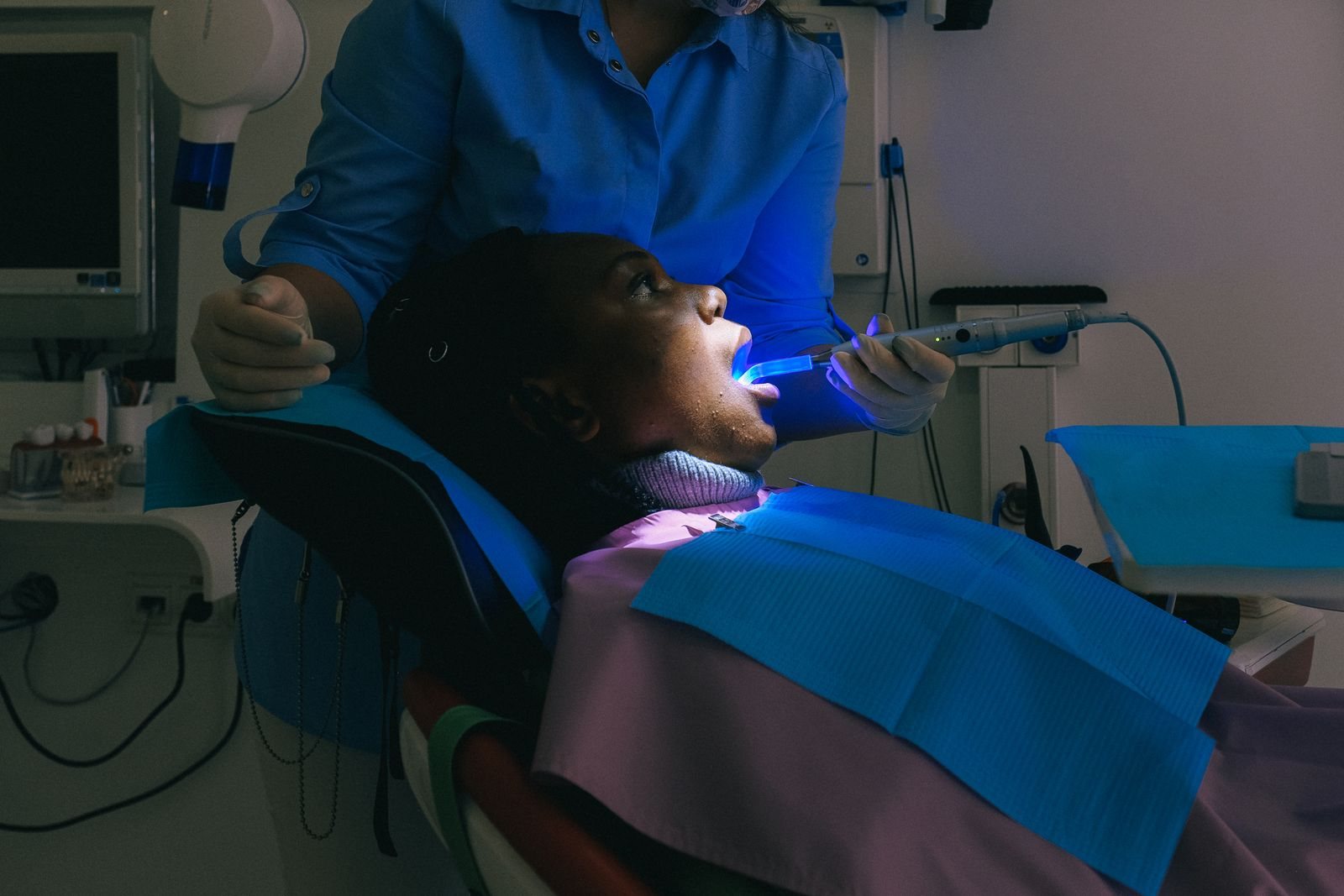
A fully booked diary in a Riyadh clinic can still lose money. The schedule looks healthy on Sunday morning, then the 11:00 root canal does not arrive, the 2:30 hygiene patient reschedules by phone, and an evening crown patient simply forgets. Three empty chairs, three idle assistants, and a dentist staring at a quiet operatory that was supposed to be producing revenue.
This is the hidden tax on dental practices. To reduce dental no-shows in Saudi Arabia, clinics in Jeddah, Dammam, Khobar, and beyond are turning away from paper diaries and WhatsApp-by-hand toward proper dental clinic software that automates the reminders, recalls, and follow-ups that keep chairs full.
Why No-Shows Cost More Than You Think
A missed appointment is not just a gap in the calendar. It is paid staff time with no production, a chair that could have served a waiting patient, and a treatment plan that drifts further from completion.
Think in factors rather than guesses. If a clinic averages a few thousand SAR per chair per day and loses even one or two slots daily to no-shows, the annual leakage is significant for a single operatory. Multiply that across a multi-branch group in Riyadh and Jeddah and the number becomes impossible to ignore.
There is a quieter cost too. Patients who miss appointments often disappear entirely. A no-show today frequently becomes a lapsed patient next quarter, and replacing that patient with a new one through marketing costs far more than retaining the one you already had.
The Saudi Context: High Expectations, Mobile-First Patients
The private dental sector in the Kingdom is modernizing quickly. Premium clinics and fast-growing dental chains compete on experience, and patients expect the same polish from their dentist that they get from their bank or ride-hailing app.
Saudi patients live on their phones. They confirm appointments over SMS and WhatsApp, pay with mada cards, Apple Pay, STC Pay, or cash, and they expect communication in both Arabic and English. Many clinics also run with expat dentists who need a system that speaks clearly to a mixed patient base.
This mobile-first reality is exactly why automated, well-timed messaging works so well here. The channel patients already trust is the channel that brings them back.
How Dental Software Actually Reduces No-Shows
Good dental clinic software does not just store records. It actively defends your schedule. Here is where DentalKing's modules do the heavy lifting.
Automated SMS Appointment Reminders
The single highest-impact change most clinics can make is automating reminders. DentalKing's SMS communication module sends a reminder a few days before the visit and another on the day, so the appointment never slips a patient's mind.
Because the messages are automatic, your front desk in Khobar or Tabuk is not spending the first hour of every shift texting patients by hand. The system does it consistently, in the language the patient prefers.
Confirmations That Free Up Your Front Desk
A reminder that asks the patient to confirm turns a one-way message into a useful signal. When patients confirm, your team knows the chair is secure. When they do not respond, that slot becomes a candidate for your waitlist.
This visibility is the difference between discovering a no-show at 11:00 and managing it at 9:00, while there is still time to fill the gap.
Recall and Recare Reminders
Most lost revenue is not the dramatic no-show. It is the patient who never books their six-month checkup at all. DentalKing's scheduling and SMS tools let you set recall reminders so hygiene and review patients are nudged automatically when they are due.
This keeps the appointment book filling itself from your existing patient base rather than relying entirely on new patients walking through the door.
Filling Gaps from a Waitlist
When a cancellation does happen, the goal is to fill that chair fast. By keeping a clear, centralized schedule and tracking which patients are waiting for earlier slots, your team can reach out the moment a gap opens. A cancelled crown appointment in the morning can become a productive slot by the afternoon.
Centralized Scheduling to Stop Double-Booking
Double-bookings create their own no-shows. A patient who arrives to find their slot was given away does not come back happy, and may not come back at all.
DentalKing keeps scheduling centralized, so a clinic in Riyadh and a branch in Jeddah are looking at the same reliable diary. Roles and Permissions ensure the right staff can manage appointments while protecting the rest of the record, which matters as your chain grows.
Follow-Up After Treatment
Retention is not only about the next booking. A short follow-up message after a difficult extraction or a new restoration tells the patient you care, surfaces any problems early, and naturally leads into scheduling the next step in their Treatment Plan.
This is where the Examination, Dental Charting, and Treatment Planning modules connect to communication. The clinical plan defines what is next, and the SMS module makes sure the patient comes back to complete it.
Tracking Lapsed Patients with Reporting
You cannot win back patients you cannot see. DentalKing's Reporting and Analytics module helps you identify patients who have not visited in a while and patients with unfinished treatment plans, so you can run a focused reactivation outreach instead of guessing.
The Financial module ties this together by showing the revenue attached to incomplete plans, so you can prioritize the follow-ups that matter most to collections.
A Practical Playbook You Can Implement This Month
You do not need a six-month project to see results. Here is a realistic plan using tools you already have inside DentalKing.
Week 1: Turn On Automated Reminders
Enable SMS reminders for every appointment, with one message a few days ahead and one on the day. Make sure messages go out in Arabic or English based on patient preference. This step alone typically delivers the biggest drop in no-shows.
Week 2: Add Confirmations and a Waitlist Habit
Switch reminders to request a confirmation, and train your front desk to treat unconfirmed slots as fillable. Keep a simple running list of patients who want earlier appointments so gaps get filled the same day.
Week 3: Launch Recall Reminders
Set up recall and recare reminders so hygiene and review patients are contacted automatically when due. This converts your existing patient list into a steady, self-renewing source of bookings.
Week 4: Start a Reactivation Run
Use Reporting and Analytics to pull patients who have lapsed or have unfinished treatment plans. Send a warm, personal follow-up inviting them back. Track which messages lead to bookings so you can repeat what works.
Tie It Back to Patient Lifetime Value
Every reminder, recall, and follow-up is really an investment in patient lifetime value. A patient who completes their treatment plan, returns for hygiene, and refers a family member is worth many times more than a single visit.
DentalKing's Referral module supports that final piece, helping you track where new patients come from and nurture the relationships that grow a practice in competitive markets like Riyadh, Jeddah, and Mecca.
As a reminder, DentalKing is a cloud-based platform, so a reliable internet connection is part of normal operation. A solid clinic connection with mobile-data as a backup keeps your schedule and messaging running smoothly throughout the day.
Frequently Asked Questions
How quickly can a clinic reduce dental no-shows in Saudi Arabia?
Most clinics see a meaningful improvement within the first few weeks of switching on automated SMS reminders and confirmations, because the change addresses the most common cause of missed visits: simply forgetting.
Does DentalKing send reminders in Arabic and English?
Yes. The SMS communication module supports messaging patients in the language they prefer, which suits the mixed Arabic and English-speaking patient base common across the Kingdom.
Can the software help fill a slot after a last-minute cancellation?
Yes. With a centralized schedule and a clear view of patients waiting for earlier appointments, your team can quickly offer a freed-up chair and recover the slot the same day.
Will this work for a multi-branch dental group?
It is built for it. Centralized scheduling and Roles and Permissions let branches in different cities share one reliable system while keeping access controlled as the group grows.
Do I need DentalKing to work offline?
No. DentalKing is web-based and runs on an internet connection. We recommend a good clinic connection with mobile-data as a backup so scheduling and reminders stay available throughout your working day.
How does reporting help with retention?
Reporting and Analytics highlights lapsed patients and unfinished treatment plans, so you can run targeted reactivation outreach instead of broad, untracked campaigns.
Can I link follow-ups to treatment plans?
Yes. The Treatment Planning module defines what each patient needs next, and the SMS module helps you follow up so patients return to complete their care.
Conclusion
Empty chairs are not bad luck. They are a process problem, and a process problem has a process solution. By automating reminders, confirmations, recalls, and follow-ups, Saudi clinics can reduce dental no-shows in Saudi Arabia, protect daily revenue, and build the long-term retention that drives real growth.
The right dental clinic software turns your schedule from a passive list into an active revenue engine. See how DentalKing's scheduling, SMS communication, and reporting modules work together for your clinic. Book a demo today and start filling those chairs this month.