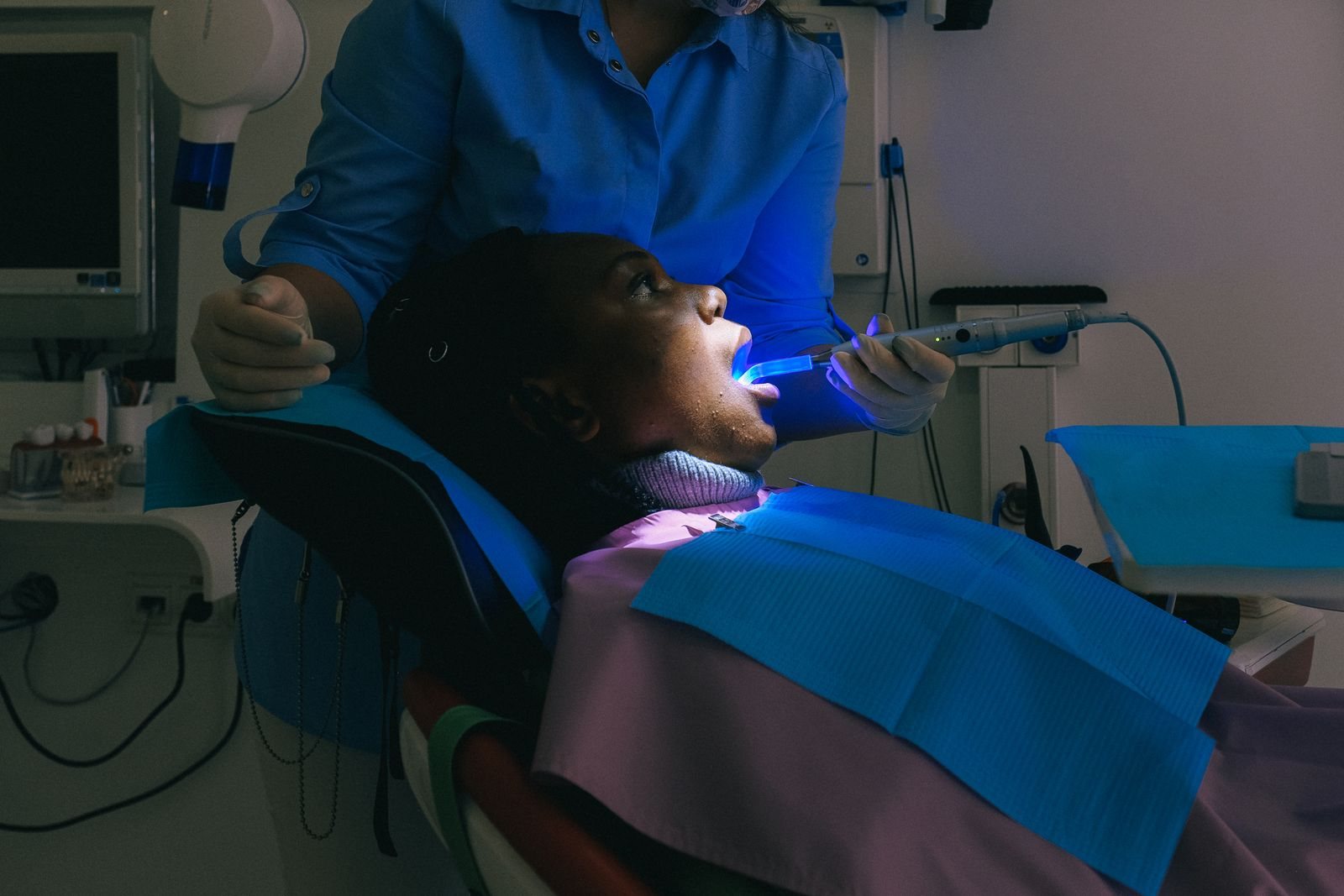
A Tuesday morning in a Sandton practice often looks the same: two confirmed patients quietly become two empty chairs by 9:30. The dentist is ready, the assistant has set up, the surgery is sterilised, and yet the schedule has a hole in it that nobody will pay for. Multiply that across a week, and the cost of no-shows stops being an annoyance and starts being a serious business problem.
For clinic owners trying to reduce dental no-shows in South Africa, the frustrating part is that most missed appointments are preventable. Patients forget. They double-book. They lose the appointment card somewhere between Gqeberha traffic and the school run. The right dental clinic software closes those gaps systematically, so your day runs the way you planned it.
What Empty Chairs Actually Cost Your Practice
Every chair has an hourly value. When a high-value treatment slot goes unfilled, you lose that revenue and you still pay the fixed costs: rent in a Cape Town medical suite, staff salaries, equipment finance, and the time of a clinician who could have been producing.
The damage is rarely a single missed slot. Consider the chain reaction:
- A no-show in a 90-minute crown appointment leaves a gap too large to fill on short notice.
- A patient who skips a check-up also skips the follow-up treatment that check-up would have uncovered.
- A lapsed patient stops referring family and friends, which quietly shrinks your new-patient pipeline.
This is why no-shows are really a retention problem in disguise. A patient who slips through the cracks today is lost lifetime value tomorrow, not just one open hour.
Why South African Clinics See More No-Shows Than They Should
South African practices operate in a specific environment, and that environment creates its own no-show risks.
Many clinics serve a blend of medical-aid and cash-pay patients. Cash-pay patients sometimes delay or cancel when money is tight, while medical-aid patients may wait to confirm benefit availability before committing. Both behaviours produce last-minute drop-offs.
Multi-branch dental groups across Johannesburg, Pretoria, and Durban add another layer. When each branch runs its own diary, patients get booked twice, reminders fall through the cracks, and the head office has no single view of who actually showed up.
Communication preferences matter too. Patients respond to SMS and WhatsApp far more reliably than to a phone call they will not answer during a workday. A clinic still relying on manual calls is fighting the way patients prefer to communicate.
The Core Fix: Automated Reminders and Confirmations
The single most effective lever to reduce dental no-shows in South Africa is consistent, automated reminders. People do not skip appointments out of malice; they skip because life is busy and a booking made three weeks ago has faded from memory.
DentalKing's SMS communication module handles this without anyone on your team remembering to do it. You can:
- Send an automatic SMS reminder a set number of days before the appointment.
- Send a same-day or day-before confirmation prompt so patients can reply or call to confirm.
- Communicate in English or another local language your patient base prefers.
Because reminders go out on schedule for every patient, the load comes off your front desk. Your receptionist in Bloemfontein is no longer phoning forty people a day; the system does the routine work, and staff focus on the patients who actually need a conversation.
The benefit compounds. A confirmed appointment is a committed appointment, and an early reminder gives a patient who genuinely cannot make it the chance to cancel in time for you to fill the slot.
Stop Double-Booking with Centralized Scheduling
Some no-shows are not the patient's fault at all. They happen because two diaries disagree, a patient gets booked into a slot that does not exist, or a cancellation never reaches the right calendar.
A centralized schedule inside your dental clinic software removes that risk. Every booking lives in one place. For a dental group running branches in multiple cities, head office can see the full picture, spot gaps, and balance load across locations.
Clean scheduling also makes the rest of your no-show strategy possible. Reminders, waitlists, and reporting all depend on a single source of truth for who is booked, when, and where.
Fill the Gap Fast with a Waitlist
A cancellation does not have to become lost revenue. If you keep a waitlist of patients who want an earlier slot, a freed-up appointment can be offered immediately by SMS.
The practical workflow is simple. When a patient cancels, your team checks the waitlist and sends a quick message to the next suitable patient. A slot that would have sat empty in a Durban practice gets filled within the hour, and the patient who has been waiting feels looked after.
This turns the inevitable cancellation into an opportunity rather than a loss.
Recall and Recare: Bring Patients Back on Schedule
Retention is where the real money lives, and recall is how you protect it. A patient who comes in every six months for a check-up is far more valuable over their lifetime than one who appears once and vanishes.
DentalKing's scheduling and SMS modules let you set recall reminders so patients are nudged when they are due for their next visit. Instead of hoping people remember to rebook, the system prompts them at the right time.
Tie this to your clinical data and it becomes powerful. After treatment recorded in the Examination module and Dental Charting, you can schedule follow-up contact and the next recare visit, then let automated reminders carry the patient back to your chair.
Track Lapsed Patients Before They Disappear
You cannot win back patients you do not know you have lost. This is where Reporting and Analytics earn their place.
Use reporting to identify patients who have not visited in twelve or eighteen months, then run a targeted re-engagement message inviting them back. Many will simply have forgotten, and a single well-timed SMS is often enough.
Reporting also exposes patterns: which days have the most no-shows, which appointment types get skipped most, and whether reminders are improving your attendance rate over time. That lets you adjust rather than guess.
Your Practical No-Show Playbook for This Month
You do not need a six-month project to see results. Here is a focused plan using tools your clinic can put to work now.
Week 1: Get scheduling onto one system
Move every branch and every clinician onto the centralized schedule so there is one accurate diary. Set Roles and Permissions so each team member sees what they need without stepping on another branch's bookings.
Week 2: Switch on automated reminders
Configure SMS reminders to go out a few days before each appointment, plus a confirmation prompt the day before. Choose the language mix that fits your patient base.
Week 3: Build the waitlist habit
Create a simple list of patients wanting earlier slots and train the front desk to message the waitlist the moment a cancellation lands.
Week 4: Launch recall and lapsed-patient outreach
Set recall reminders for patients due for check-ups, then pull a Reporting list of lapsed patients and send a friendly re-engagement message.
Run this for a single month and review your no-show rate against the previous month. Most practices see a clear improvement once reminders and recall are consistent rather than occasional.
Connecting No-Shows to the Whole Practice
Reducing missed appointments does not sit in isolation. A patient who attends reliably moves smoothly through the Patient module, the Examination module, Treatment Planning, and finally the Financial module, where invoicing, payments, and outstanding balances are tracked.
Strong attendance also keeps your Financial module healthier. Patients who show up pay for completed treatment, whether by card, EFT, or cash, and your collections and outstanding-balance reporting stay cleaner. The Referral module benefits too, because a patient who keeps their appointments is far more likely to refer others.
DentalKing is cloud-based, so your schedule, reminders, and reports stay in sync across every branch in real time. A reliable internet connection is part of normal daily operation, and keeping a mobile-data backup line at the front desk is a sensible precaution so reminders and bookings never stall.
Frequently Asked Questions
How quickly can dental software reduce no-shows?
Most clinics notice fewer missed appointments within the first month, once automated SMS reminders and confirmations are running consistently for every patient.
Will patients in South Africa actually respond to SMS reminders?
Yes. SMS reaches patients reliably across the country and across languages, and it tends to get a better response than calls people cannot take during the workday.
Can DentalKing handle multiple branches?
Yes. DentalKing is cloud-based with centralized scheduling, so a dental group across Johannesburg, Cape Town, and Durban can manage all branch diaries and reporting from one place.
Does reducing no-shows help with cash-pay and medical-aid patients?
It helps both. Reminders and confirmations keep cash-pay patients committed, and the Financial module helps you track payments and outstanding balances regardless of how a patient pays.
What is the difference between a reminder and a recall?
A reminder is for an existing booked appointment. A recall reminds a patient that they are due for their next visit so they rebook before they lapse.
Do I need to install anything to use DentalKing?
No. DentalKing is web-based, so your team works in the browser. You do need a reliable internet connection, and a mobile-data backup is a smart safeguard for the front desk.
Can I see whether my no-show rate is improving?
Yes. Reporting and Analytics let you track attendance over time, identify which days or appointment types see the most no-shows, and measure the impact of your reminders.
Conclusion
Empty chairs are not an unavoidable cost of running a dental practice. With consistent automated reminders, centralized scheduling, fast waitlist filling, and disciplined recall, you can reduce dental no-shows in South Africa and protect both your daily revenue and your long-term patient relationships.
The tools to do it are practical and ready to use. DentalKing's dental clinic software brings scheduling, SMS communication, and reporting together so your Johannesburg, Cape Town, or Durban practice keeps its diary full and its patients coming back.
Ready to stop losing money to missed appointments? Book a DentalKing demo today and see how quickly your clinic can turn no-shows into kept appointments.