Introduction
Dental X-rays are a common diagnostic tool used by dentists to detect various oral health issues such as cavities, bone loss, and impacted teeth. Despite their widespread use, there is often concern among patients about the safety of dental X-rays due to the exposure to radiation. This research aims to provide a detailed examination of the safety of dental X-rays, exploring the types of X-rays used, the levels of radiation involved, potential risks, and the safety measures in place to protect patients.
Types of Dental X-rays
Dental X-rays are categorized into two main types: intraoral and extraoral.
-
Intraoral X-rays: These are the most common type of dental X-rays and include:
- Bitewing X-rays: Used to detect decay between teeth.
- Periapical X-rays: Focus on the entire tooth, from the crown to the root.
- Occlusal X-rays: Capture the floor or roof of the mouth to show how the teeth are aligned.
-
Extraoral X-rays: These are less detailed and focus on the jaw and skull.
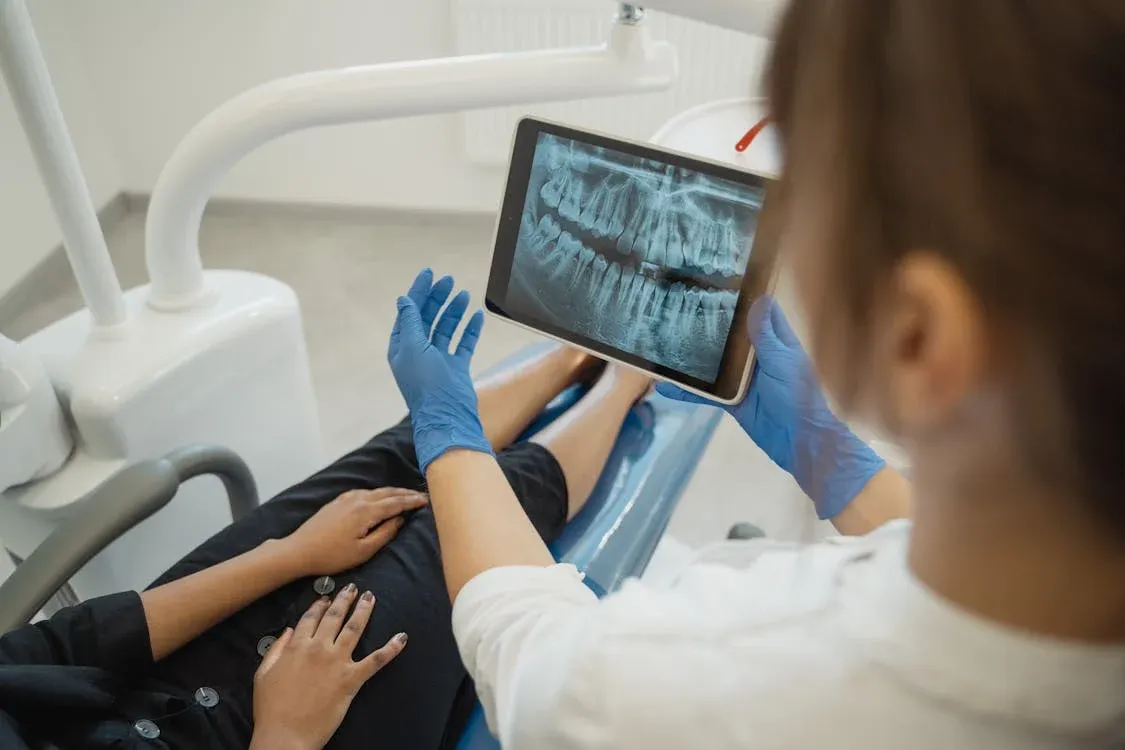
- Panoramic X-rays: Provide a broad view of the entire mouth.
- Cephalometric X-rays: Used to view the side profile of the head and to plan orthodontic treatments.
Radiation Exposure Levels
The primary concern with dental X-rays is the exposure to ionizing radiation, which can potentially damage living tissues. However, the levels of radiation used in dental X-rays are generally very low.
- Measurement of Radiation: Radiation is measured in units called millisieverts (mSv). The average annual radiation exposure from natural sources (e.g., radon, cosmic rays) is about 3.0 mSv. In comparison, a single dental X-ray typically involves the following exposures:
- Bitewing X-ray: 0.005 mSv
- Panoramic X-ray: 0.01 mSv
- Full mouth series: 0.150 mSv
These figures indicate that dental X-rays contribute only a small fraction to the total radiation exposure from natural sources.
Health Risks and Considerations
The main health risk associated with radiation exposure is an increased chance of developing cancer. However, the extremely low levels of radiation from dental X-rays pose a minimal risk. The American Dental Association (ADA) and other health authorities agree that the benefits of dental X-rays far outweigh the risks when they are used appropriately.
Vulnerable Populations
- Pregnant Women: Pregnant women are generally advised to avoid unnecessary X-rays, especially in the first trimester. However, if an X-ray is essential for dental treatment, protective measures such as lead aprons and thyroid collars are used.
- Children: Children are more sensitive to radiation than adults. Pediatric dentists are particularly cautious and use the lowest radiation dose possible, often opting for digital X-rays, which emit even less radiation than traditional film X-rays.
Advancements in X-ray Technology
Technological advancements have significantly reduced the amount of radiation used in dental X-rays:
- Digital X-rays: These use up to 90% less radiation compared to traditional film X-rays. Digital X-rays also offer the advantage of immediate image availability and the ability to enhance images for better diagnosis.
- Cone Beam Computed Tomography (CBCT): CBCT provides 3D images and is used for complex dental procedures. Although CBCT involves higher radiation than standard X-rays, it is still considered safe when used judiciously.
Regulatory Standards and Safety Measures
Dental X-ray machines are regulated to ensure they meet stringent safety standards. Key safety measures include:
- Lead Aprons and Thyroid Collars: These protective garments shield patients from unnecessary radiation exposure.
- ALARA Principle: Dentists adhere to the ALARA (As Low As Reasonably Achievable) principle, which emphasizes using the minimum radiation necessary to achieve the desired diagnostic results.
- Regular Equipment Maintenance: Dental X-ray machines undergo routine inspections and maintenance to ensure they are functioning correctly and emitting the lowest possible radiation dose.
Conclusion
Dental X-rays are a safe and essential tool in modern dentistry. While they do involve exposure to ionizing radiation, the levels are very low, and the risk to patients is minimal. With advancements in technology and strict regulatory oversight, dental X-rays provide significant diagnostic benefits while ensuring patient safety. Patients concerned about radiation exposure should discuss their concerns with their dentist, who can provide personalized information and reassurance.