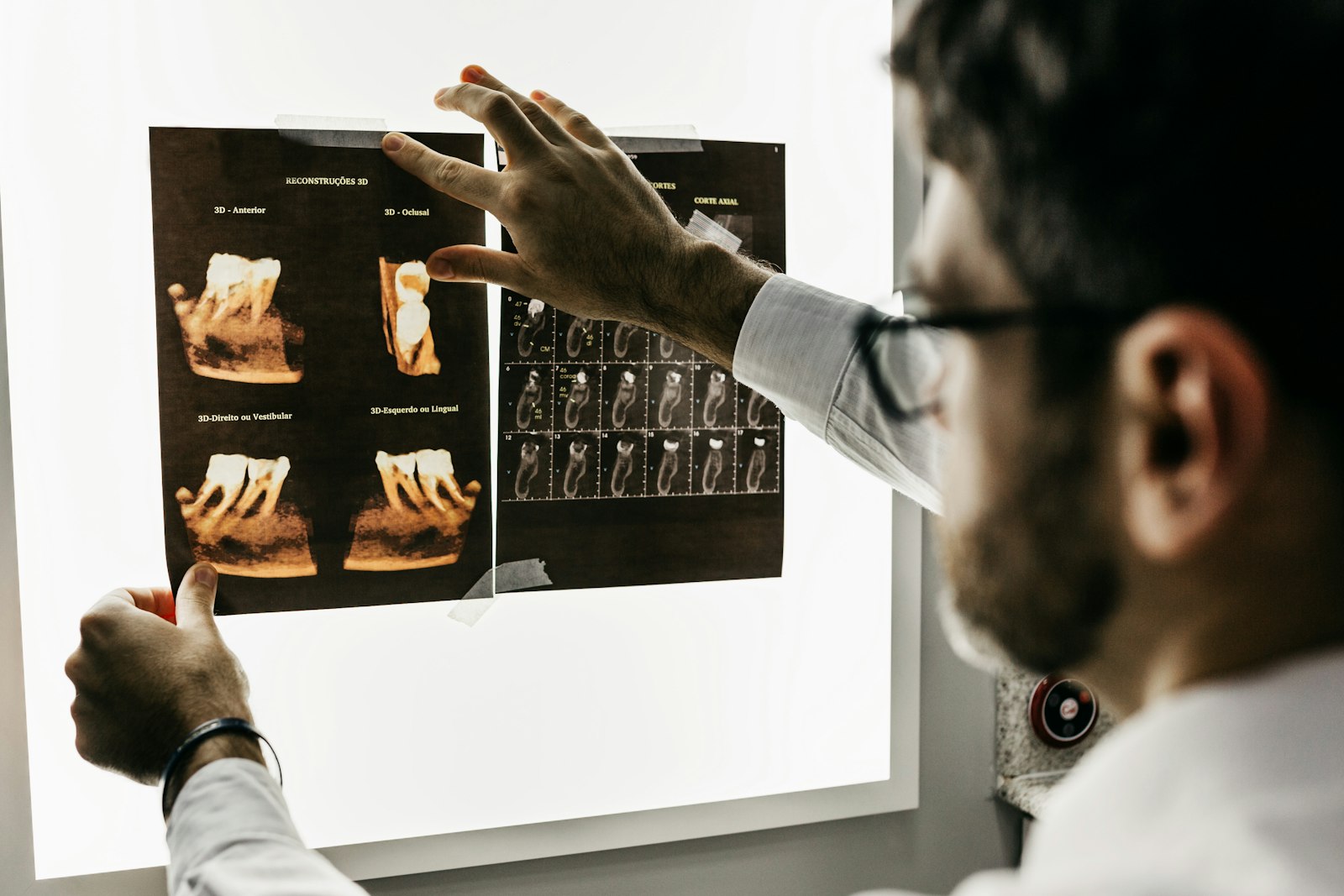
Walk into many established dental clinics in Riyadh or Jeddah and you will still find them: rows of buff-colored paper folders, a shelf of dog-eared appointment books, and a receptionist who knows exactly which drawer holds a returning patient's old x-rays. It works, until it doesn't. The day a regular patient walks in and their file cannot be found, or a coffee spill erases six months of treatment notes, the real cost of paper becomes obvious.
Saudi Arabia's private dental sector is modernizing fast. Premium clinics, fast-growing dental chains, and multi-branch groups across Riyadh, Jeddah, Dammam, and Khobar are raising the bar on patient experience. Moving to digital dental records in Saudi Arabia is one of the highest-leverage steps a clinic can take, and with the right dental clinic software the migration is far less painful than most owners fear.
This is a practical, step-by-step guide to making that switch.
Why Paper Records Hold Saudi Clinics Back
Paper feels safe because it is familiar. But familiarity hides real risk, and that risk grows with every new patient and every new branch.
- Lost and damaged files. A single misfiled folder can mean a missed medical alert or a repeated x-ray. Heat, humidity, and simple human error all take their toll.
- No real backup. If paper is your only copy, a flood, fire, or theft can wipe out years of clinical history with nothing to restore from.
- Slow retrieval. Pulling a chart, flipping to the right page, and re-filing it eats minutes per patient. Multiply that across a busy day in Mecca or Medina and it is hours lost.
- No reporting. Paper cannot tell you which treatments drive revenue, how many patients are overdue for recall, or how collections are trending. The data exists, but it is locked in ink.
- It does not scale. A solo clinic might cope. A three-branch group trying to share a patient's history between Khobar and Dammam simply cannot do it on paper.
Digital records solve these structurally. The question is not whether to switch, but how to do it without disrupting a clinic that still has to see patients every day.
The Migration Roadmap: Paper to Digital, Step by Step
A good migration is a project, not a weekend. Here is a sequence that has worked well for Saudi clinics of every size.
Step 1: Audit Your Existing Records
Before you digitize anything, understand what you have. Separate active patients (seen in the last 18 to 24 months) from dormant ones. Most clinics find that a minority of files are genuinely active.
This matters because you do not need to type every dusty folder into a new system on day one. Prioritize active patients and anyone with ongoing treatment plans. Older records can be scanned and attached gradually, or kept as archived references.
Step 2: Choose the Right Dental Clinic Software
Pick the platform before you touch the records, because the software shapes how you structure the data. For a Saudi clinic, look for:
- A clear Patient module that captures demographics, contact details, medical alerts, and history in one place.
- Clinical tools your dentists will actually use daily: Dental Charting and Treatment Planning.
- Roles and Permissions so receptionists, dentists, and managers each see what they need and nothing more.
- Built-in SMS communication and reminders, since most of your patients expect to be reached by SMS and WhatsApp in both Arabic and English.
- A Financial module for invoicing, payments, collections, and reporting that fits how Saudis pay: mada cards, Apple Pay, STC Pay, and cash.
DentalKing is cloud-based, so a multi-branch group can share one patient record across Riyadh, Taif, and Tabuk in real time. Bear in mind this means a reliable internet connection is a normal requirement; a solid line with mobile-data as a backup keeps every branch running smoothly.
Step 3: Plan the Digitization
Decide, concretely, how data gets into the system:
- Active patient demographics are usually entered by hand into the Patient module. This is also a chance to clean up duplicate and outdated entries.
- Existing clinical history can be scanned and attached to each patient, so the old chart is one click away even after you go digital.
- Going-forward charting happens natively. From the day you go live, dentists record findings directly in Dental Charting rather than on paper.
Set a realistic pace. A few hundred active patients can be entered over a couple of weeks by assigning blocks to front-desk staff during quieter hours.
Step 4: Train Your Team
Your software is only as good as the team using it. Saudi clinics often run with a mix of Arabic and English-speaking staff and many expat dentists, so train in the languages your team is comfortable in.
Train by role. Receptionists need check-in, scheduling, and the Patient module. Dentists need Dental Charting and Treatment Planning. Managers need the Financial module and reporting. Roles and Permissions make this natural, because each person logs in to a view built for their job.
Keep early sessions short and hands-on. People learn a new dental clinic software far faster by doing real tasks than by watching a long presentation.
Step 5: Run Parallel, Briefly
For a short window, usually one to two weeks, record key information both on paper and in the system. This builds staff confidence and catches gaps before they matter.
Keep this phase short. Running two systems forever is exhausting and defeats the purpose. The goal is a confidence check, not a permanent habit.
Step 6: Go Live
Pick a deliberately quieter week to flip the switch, not the busiest stretch of the year. From go-live, the digital record is the single source of truth. Paper, if used at all, is only for printing or temporary notes.
Keep someone fluent in the system available during the first days to answer questions on the floor. Small frictions resolved quickly prevent staff from quietly drifting back to old habits.
Step 7: Secure It With Cloud Backups and Role-Based Access
This is where digital decisively beats paper. With DentalKing, your records live in secure cloud backups, so a hardware failure or an incident at one branch never means lost histories.
Roles and Permissions ensure that sensitive financial and clinical data is seen only by the right people. A receptionist in Abha can book appointments without having access to clinic-wide revenue reports, and a visiting associate dentist sees only what their role allows.
Winning Staff Buy-In: The Change-Management Piece
The technology is rarely the hard part. People are. A long-serving receptionist who has run the appointment book for a decade may quietly resist any system that feels like a threat to their expertise.
Bring that person in early. Frame digital records as something that removes the worst parts of their day, the frantic file hunts and the re-filing, not as a replacement for their judgment.
- Name a champion. One enthusiastic staff member who learns the system deeply becomes the in-house go-to and lightens the load on everyone.
- Show quick wins. When the team sees a patient's full history appear in two seconds, or watches the Financial module flag an overdue balance automatically, skepticism fades.
- Listen and adjust. Front-desk staff will spot workflow snags faster than any manager. Acting on their feedback turns reluctant users into advocates.
For dental chains, consistency across branches is the prize. When every clinic from Jeddah to Dammam follows the same digital process, a patient gets the same smooth experience wherever they walk in.
Frequently Asked Questions
How long does it take to switch from paper to digital records?
For a single clinic with a few hundred active patients, a focused migration typically takes a few weeks, including data entry, training, and a short parallel period. Larger multi-branch groups plan in phases.
Do we have to enter every old paper file into the system?
No. Prioritize active patients for full data entry, and scan or archive older files to attach as references. This keeps the project manageable without losing access to historical records.
Does DentalKing work without internet?
DentalKing is cloud-based and requires an internet connection to run. We recommend a reliable connection with mobile-data as a backup so your clinic stays online throughout the day.
Can different staff have different levels of access?
Yes. Roles and Permissions let you give receptionists, dentists, and managers their own tailored views, so each person sees only the information relevant to their job.
Will it work for a clinic with both Arabic and English-speaking staff?
Yes. Clinics across Saudi Arabia run mixed teams and expat dentists, and patient communication by SMS and WhatsApp can reach both Arabic and English-speaking patients.
How are our records protected once we go digital?
Records are kept in secure cloud backups, so a single hardware failure or branch incident does not put your data at risk, and access is controlled by role.
Can we manage multiple branches from one system?
Yes. Because DentalKing is web-based, a patient's record is available across all your branches in real time, which is ideal for fast-growing Saudi dental groups.
Conclusion
Moving to digital dental records in Saudi Arabia is no longer a luxury reserved for the largest groups. It is a practical upgrade that any clinic, from a single practice in Tabuk to a chain spanning Riyadh and Khobar, can complete with a clear roadmap and a little patience.
Audit your records, choose dental clinic software that fits how Saudi clinics actually work, digitize in stages, train by role, and secure everything with cloud backups and role-based access. The payoff is faster service, real reporting, and the simple peace of mind that a patient's history will always be there when you need it.
DentalKing brings the Patient module, Dental Charting, Treatment Planning, Roles and Permissions, and more together in one cloud platform built for this exact transition. Book a demo today and see how smoothly your clinic can leave paper behind.