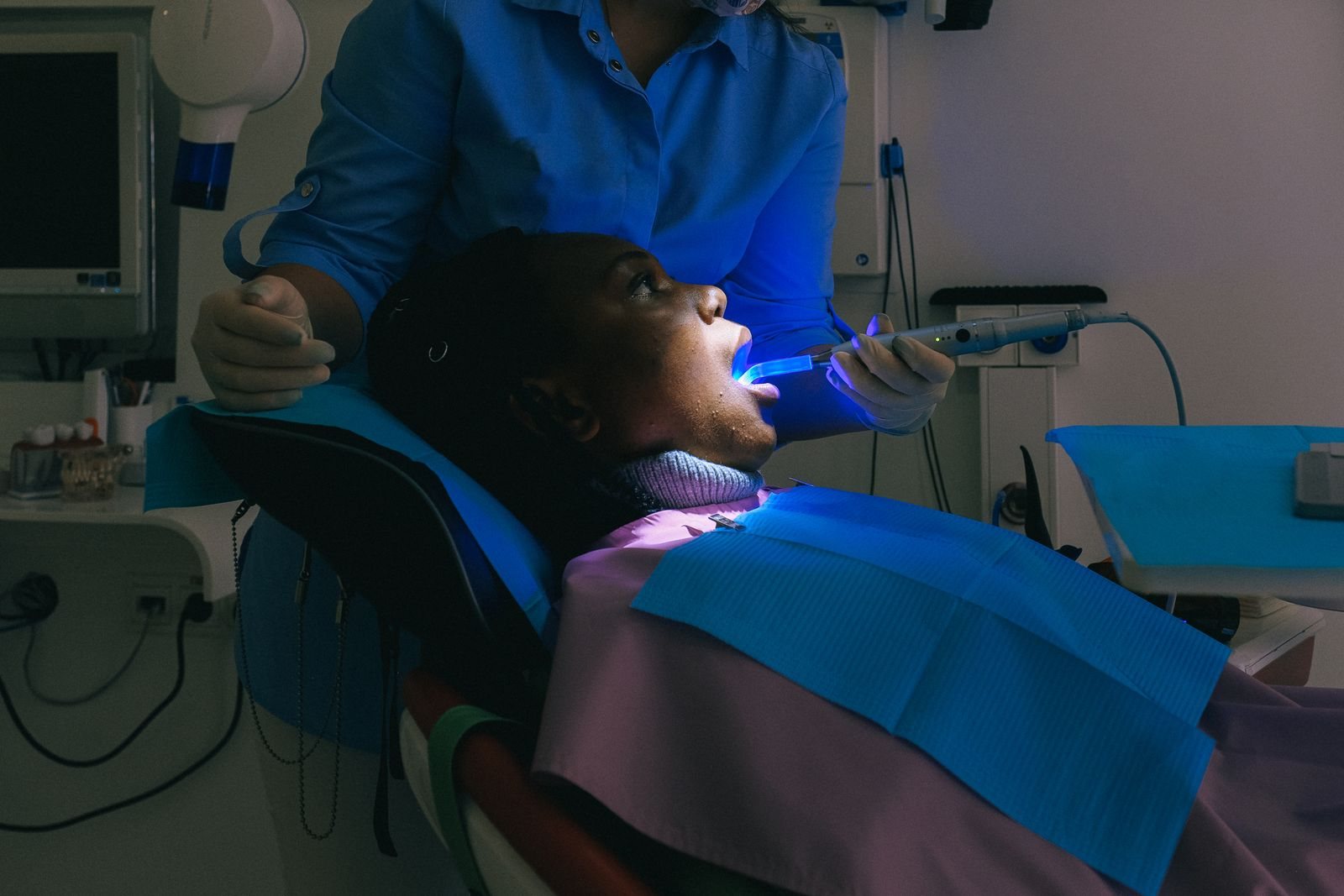
The African dental healthcare sector stands at a pivotal moment of transformation. With a rapidly growing middle class, increased health awareness, and expanding urban populations, dental clinics in Africa are experiencing unprecedented growth opportunities.
The Current State of Dental Clinics in Africa
Africa's dental healthcare market is experiencing remarkable growth, with an estimated annual growth rate of 7-9% across major economies. The continent currently has approximately 15,000 registered dental clinics, with numbers growing steadily. However, the dentist-to-population ratio remains challenging, averaging 1:150,000 in many African countries — highlighting both the enormous potential for growth and the critical need for efficiency-enhancing tools.
Opportunities for Dental Clinics
Growing Middle Class
Africa's burgeoning middle class represents a massive opportunity for dental clinics. This demographic shift is accompanied by increased health consciousness and willingness to invest in preventive dental care.
Urbanization
Rapid urbanization creates concentrated demand for dental services. Cities like Accra, Lagos, Nairobi, and Johannesburg are becoming hubs for modern dental practices.
Technology Adoption
The continent's impressive mobile phone penetration (over 80% in many countries) creates fertile ground for digital health solutions. Cloud-based dental software can leverage this connectivity to provide accessible practice management solutions.
Key Challenges
Infrastructure Limitations
Unreliable electricity supply affects equipment operation and data management. Limited internet connectivity in some regions hampers cloud-based solution adoption. High costs of importing dental equipment strain clinic budgets.
Administrative Inefficiencies
Traditional paper-based record keeping leads to lost patient records, chaotic appointment scheduling, and difficulty tracking treatment histories.
Financial Management
Without proper software, practices struggle with accurate billing, insurance claim processing, and revenue tracking.
How Modern Dental Software Addresses These Challenges
Modern dental software combines patient management, clinical records, billing, and reporting in a single integrated system. An intuitive interface requires minimal training, and cloud-based architecture eliminates the need for expensive on-premise servers.
Key capabilities include localized financial management with SMS payment confirmations for transparency, automated appointment reminders that reduce no-shows, patient engagement tools including QR code-based registration, and compliance support through standardized documentation and audit trails.
Implementation Success
Dental clinics adopting modern software have reported a 35% increase in patient throughput, 50% reduction in administrative time, and 25% improvement in revenue collection — with staff training taking less than a week.
The Future
Emerging technologies including artificial intelligence for predictive analytics and mobile-first design approaches will continue to revolutionize dental practice management across Africa. The future of dental healthcare in Africa is digital.